


 Français
 Русский
 Español
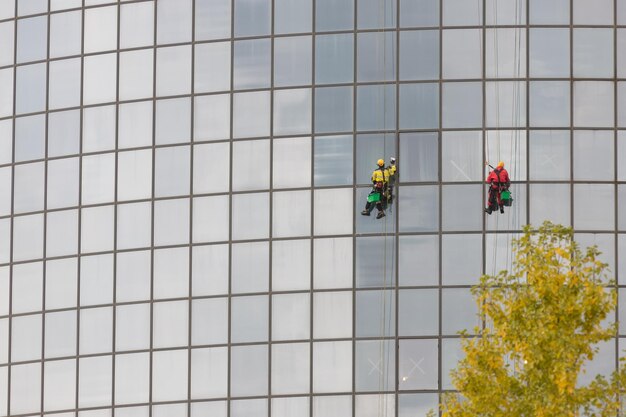
A glass curtain wall is designed to last decades, but only with regular maintenance. Cleaning, inspection, and early repair protect the glazing, the sealants, and the hardware — and for taller buildings, periodic facade inspection is a legal requirement in many jurisdictions.
This guide gives a practical maintenance routine for glass curtain walls, from cleaning to scheduled inspection.
1. Regular Cleaning
Clean the curtain wall on a schedule based on how dirty the facade gets; at least twice a year is common. Work from the top of each panel down:
- Apply purified water first to loosen dust and prevent scratches.
- Use a pH-neutral cleaner with a soft brush or microfiber — never scrub coated glass in circles, which creates micro-scratches that accumulate.
- Rinse thoroughly with purified water.
- For aluminium frames, use mild soap and avoid strong acids or alkaline cleaners, which damage the finish.
2. Scheduled Inspection
Many codes require a formal facade inspection on a cycle (for example, five years for buildings above a certain height, as with New York’s Local Law 11). These professional inspections — done by licensed engineers or architects from suspended platforms or rope access — check the facade and report conditions as safe or needing repair. Between formal inspections, do routine checks from ground level for obvious signs of trouble.
3. What to Check
- Sealants and gaskets — cracks, gaps, or leaks around the glass and joints; reseal before water damage starts.
- Hardware — check that spider fittings, brackets, and fasteners show no corrosion, loosening, or movement.
- Glass — cracks, chips, or failed edge seals; any damaged panel should be assessed and replaced.
- Drainage — blocked weep holes or drainage channels can trap water and corrode hardware.
Common Issues and Early Fixes
- Water leaks — almost always start at a failing sealant or joint; fix early, not after staining.
- Hardware corrosion — in coastal or polluted areas, signs of rust mean the grade was too low; plan replacement with 316 hardware.
- Condensation or fogged units — a failed insulated glass unit needs replacement.
Frequently Asked Questions
How often should a curtain wall be cleaned?
At least twice a year, or more in dusty or polluted areas. Use pH-neutral cleaner and purified water, working from the top down.
How often is a curtain wall legally inspected?
Many codes require a formal facade inspection every few years for buildings above a certain height (for example, a five-year cycle under New York’s Local Law 11). Check your local regulations.
What is the most common curtain wall problem?
Water leaks from failing sealants, followed by hardware corrosion in exposed environments. Early detection and resealing prevent bigger damage.
The same inspection discipline applies to railing and balustrade hardware; follow our glass railing hardware maintenance routine for cleaning, corrosion watch and scheduled checks.
Plan Maintenance from the Start
Choosing the right system up front simplifies long-term upkeep; our structural glazing systems guide introduces the main glazing system types and their components.
Maintenance is easier when the facade uses durable, replaceable hardware. Trilonum supplies point-supported curtain wall hardware and anchors and fasteners in 304 and 316 stainless, built to survive decades of exposure. To understand how a point-fixed curtain wall works, see our guide. Contact us for maintenance-friendly hardware.
