

 Français
 Русский
 Español
On a point-supported glass facade, the spider fitting is the visible node where four glass corners meet at a single stainless-steel hub. But not every node on a facade is a four-way intersection. Along a vertical mullion, at a canopy edge, or at a T-junction, a 4-arm spider would carry arms that end in mid-air. […]
Category Archives: Point-Supported Curtain Wall Systems
Canopies and skylights are among the most visible elements of a point-supported glass facade. The fittings that hold them in place determine not only how the structure looks, but also how it performs under snow, wind, and thermal movement. Choosing the right canopy and skylight fittings early in the design process avoids costly rework and […]
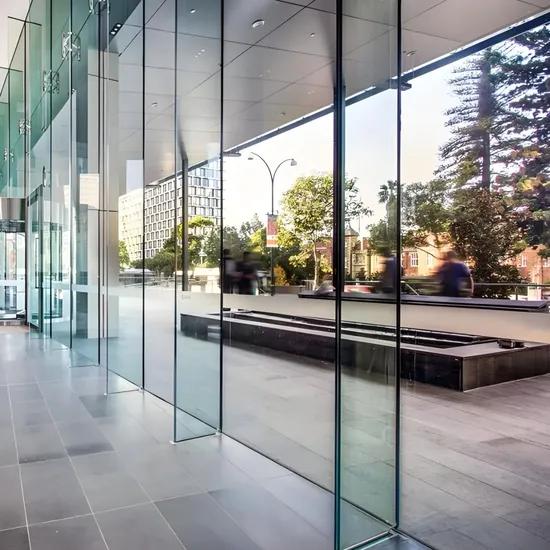
A sound structural glass fin design turns vertical glass into a load-bearing member: the fin stands perpendicular to the facade, carries panel wind load and transfers it to the main structure without aluminium mullions. Sizing and connecting it correctly prevents leaks, rattles and inspection failures. Glass fins define a fin-supported point-supported curtain wall, alongside spider […]
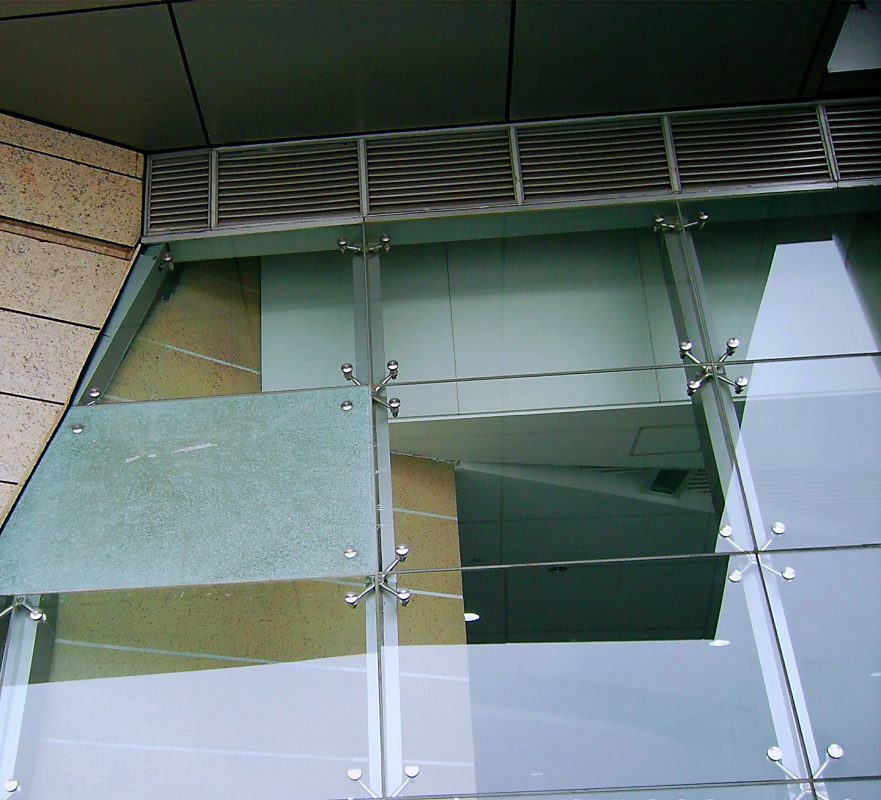
The routel bolt vs standard fixing decision decides whether a point-supported glass facade can be aligned on site or drilled to an exact, unforgiving template. Routel bolts — also called articulated, rosette or point-fixing bolts — are engineered for glass; standard bolts, screws and anchors are general-purpose fasteners for metal-to-metal and substrate joints. This guide […]

Understanding point supported facade cost means comparing how a spider (point-fixed) glazing system and a unitised curtain wall reach a transparent glass look through fundamentally different spending patterns. Neither system is universally cheaper: the answer depends on glass specification, hardware quantity, site versus factory work, and sourcing route. This guide lays out a cost comparison […]
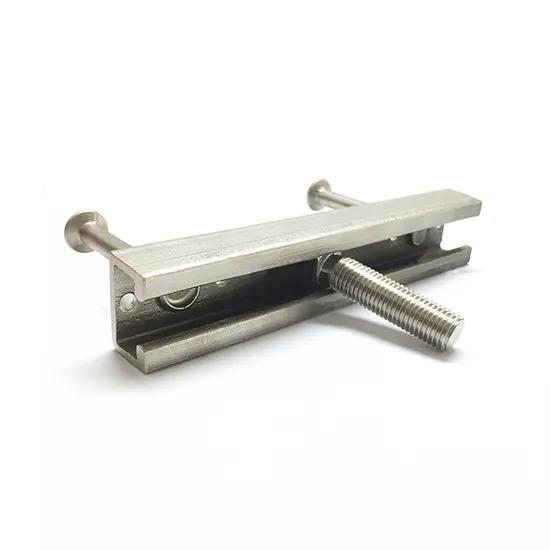
A cast in anchor channel curtain wall detail embeds a slotted steel rail into concrete or precast before the pour, so brackets, mullion supports and spider fittings bolt on later without drilling hardened concrete. Choosing the right cast-in anchor channel is a coordination exercise: section, leg pattern, finish and T-bolt system must match the wind […]
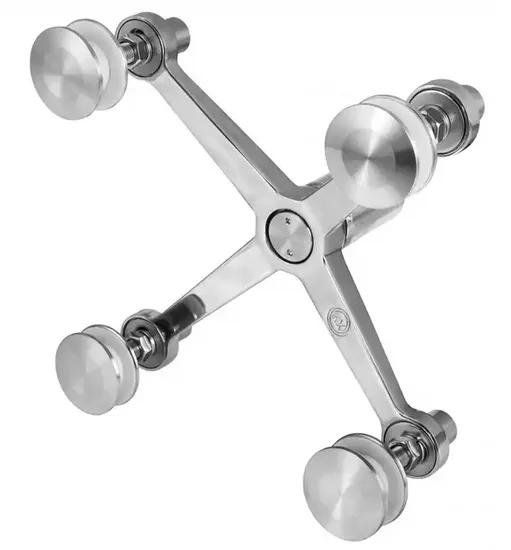
When a facade brief calls for maximum transparency, the glass fin vs spider system decision shapes everything from structural engineering to hardware cost. Both deliver the clean, open look architects want from point-supported glass, but they work in fundamentally different ways. This guide compares the two systems for contractors, engineers and facade specifiers deciding what […]
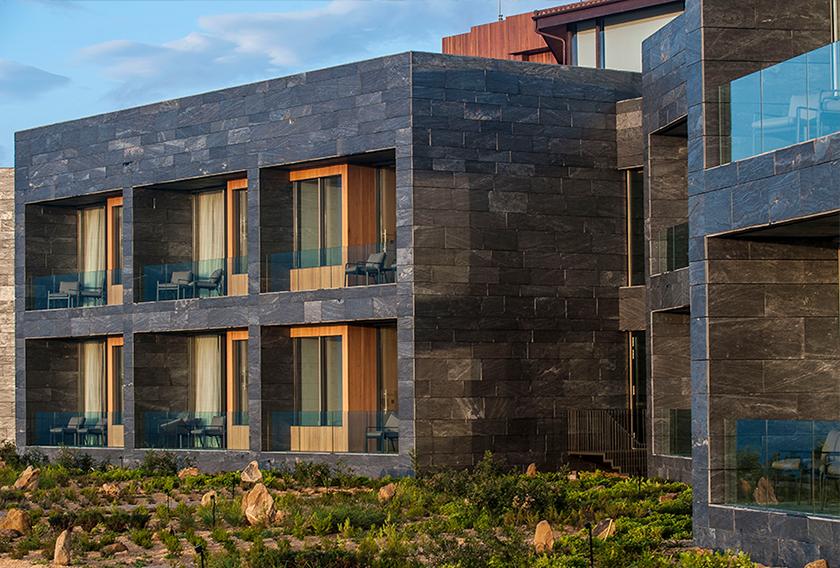
A guide to stone cladding anchor types — Z-brackets, clip and undercut anchors — and how to select them for a safe ventilated stone facade.
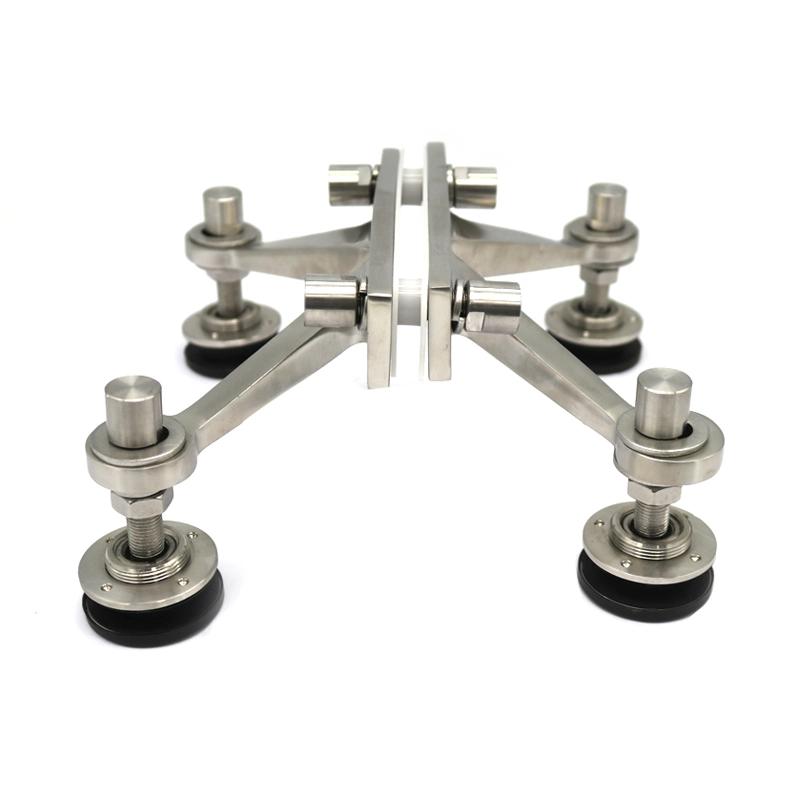
4-arm stainless steel spider fittings: arm length, hole patterns, glass thickness range, and safe load. A specifier’s guide to matching fittings to the load case.
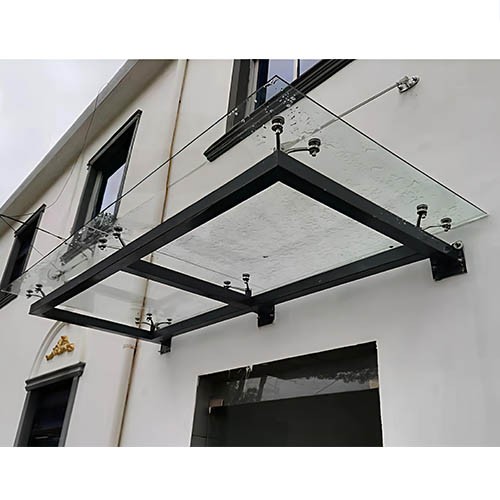
A step-by-step guide to installing stainless steel tension rod systems for point-supported curtain walls — components, pre-tensioning, node alignment, torque, and common mistakes.
- 1
- 2