


 Français
 Русский
 Español
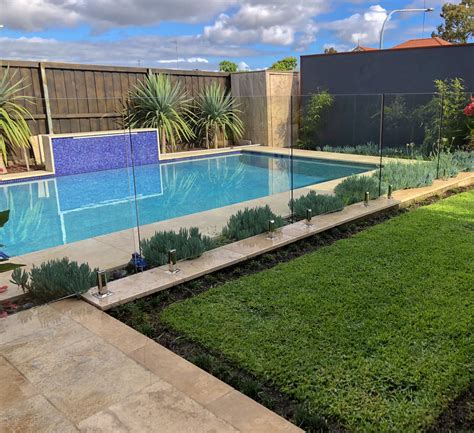
In Australia, glass pool fencing is a regulated safety barrier — it must meet specific glass, height, and hardware requirements or it will not pass inspection. For contractors and importers selling into Australia, getting the hardware right is as important as the glass: the clamps and spigots must be load-rated, corrosion-resistant, and suited to the compliant glass specification.
This guide covers the Australian rules that affect pool glass fence hardware and how to choose compliant components.
The Regulatory Framework
- AS/NZS 2208 — Safety glazing materials in buildings: sets the Grade A safety glass requirement.
- AS 1926.1 — Swimming pool safety barriers: the core pool-fencing standard (barrier dimensions, gates, and latches).
- AS 1288 — Glass in buildings: mandates the glass selection for balustrades and pool fencing.
Together these standards drive both the glass and the hardware that supports it.
Glass Requirements That Drive Hardware
Pool fencing glass must be Grade A toughened (tempered) safety glass to AS/NZS 2208. Frameless pool fencing typically requires a minimum 12 mm toughened glass; semi-frameless systems with posts at around 1200 mm spacing can use 10 mm. Each panel carries a permanent AS/NZS 2208 compliance mark.
The glass thickness and panel height determine how much load each clamp or spigot must carry, and therefore which hardware rating you need.
Choosing Pool Fence Hardware
- Use 316 stainless steel — poolside exposure to chlorine and moisture demands 316, not 304, for corrosion resistance that lasts.
- Match glass thickness — confirm the clamp or spigot’s gripping range covers your panel (10 mm or 12 mm).
- Frameless vs semi-frameless — frameless designs use point-mounted spigots; semi-frameless systems use clamps with posts at set intervals.
- Check the load rating — the hardware must suit the barrier load and glass span required by AS 1926.1 and local rules.
- Gates and latches — the gate must have a self-closing, self-latching device that secures automatically, per the pool-barrier rules.
Common Compliance Mistakes
- Using 304 stainless in poolside exposure — corrodes quickly with chlorine.
- Hardware rated for thinner glass than specified — insecure grip.
- Specifying annealed or non-compliant glass — fails AS/NZS 2208.
- Gates without automatic self-closing latches — fail the pool-barrier inspection.
Frequently Asked Questions
What glass is required for pool fencing in Australia?
Grade A toughened safety glass to AS/NZS 2208. Frameless pool fencing generally needs minimum 12 mm; semi-frameless systems with posts at ~1200 mm can use 10 mm. Annealed glass is not permitted.
Do I need 316 stainless for pool fence hardware?
Yes. Poolside chlorine and moisture corrode 304 over time; 316 stainless is the correct grade for durable, compliant pool fence clamps and spigots.
Once the clamps and spigots are in place, a simple care routine preserves the finish and grip; our guide to glass railing hardware maintenance covers cleaning, corrosion checks and fastener inspection.
To back that grade choice with a full reference, see our guide to stainless steel grades for facade fixings covering poolside chloride exposure, 304 versus 316 and service life.
What standards apply to pool glass fencing?
AS/NZS 2208 (safety glazing), AS 1926.1 (pool safety barriers), and AS 1288 (glass in buildings). Gates must self-close and self-latch automatically.
Compliant Pool Fence Hardware for Australia
For drilled glass panels in pool fencing, our spigot vs standoff comparison explains which base fixing suits a rated pool fence specification.
Trilonum supplies 316 stainless pool clamps and railing and balustrade hardware matched to 10–12 mm toughened glass. Talk to us for hardware rated for your pool fence specification.
