


 Français
 Русский
 Español
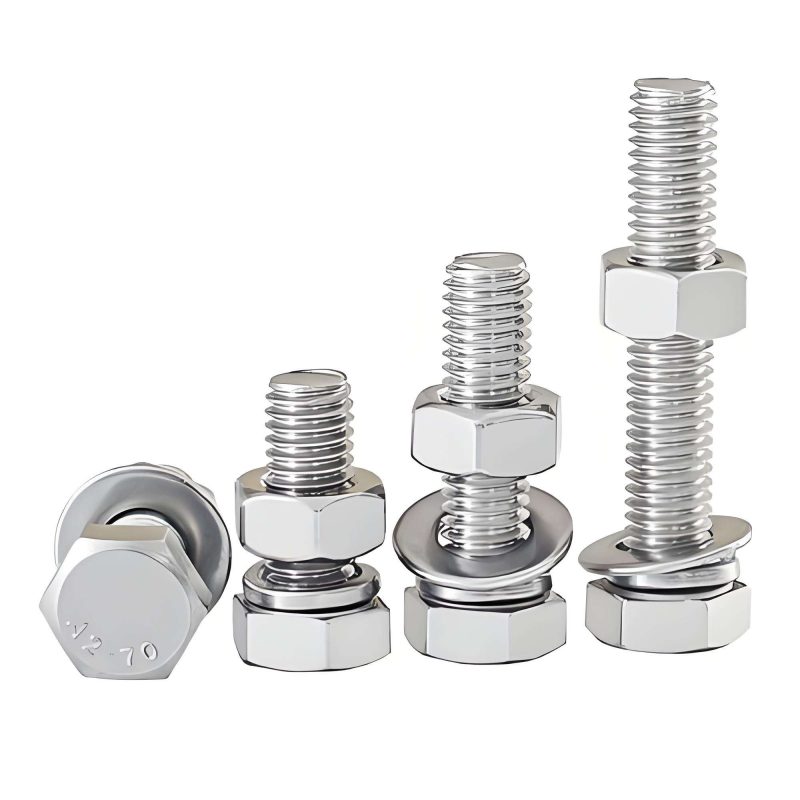
Stainless steel grades facade fixings start with one practical choice: 304 or 316. Choosing it decides whether a fixing set lasts maintenance-free or begins corroding within a few seasons. Bolts, anchors, brackets and spider fittings face weather every day, and the 304 vs 316 difference comes down to chloride resistance, appearance and replacement cost. This […]
Author Archives: admin
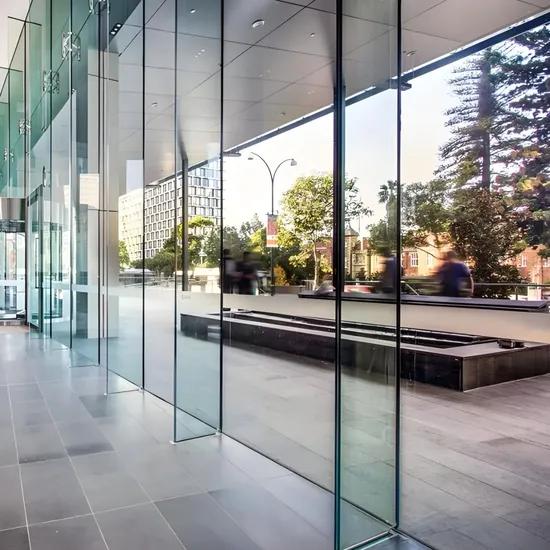
A sound structural glass fin design turns vertical glass into a load-bearing member: the fin stands perpendicular to the facade, carries panel wind load and transfers it to the main structure without aluminium mullions. Sizing and connecting it correctly prevents leaks, rattles and inspection failures. Glass fins define a fin-supported point-supported curtain wall, alongside spider […]
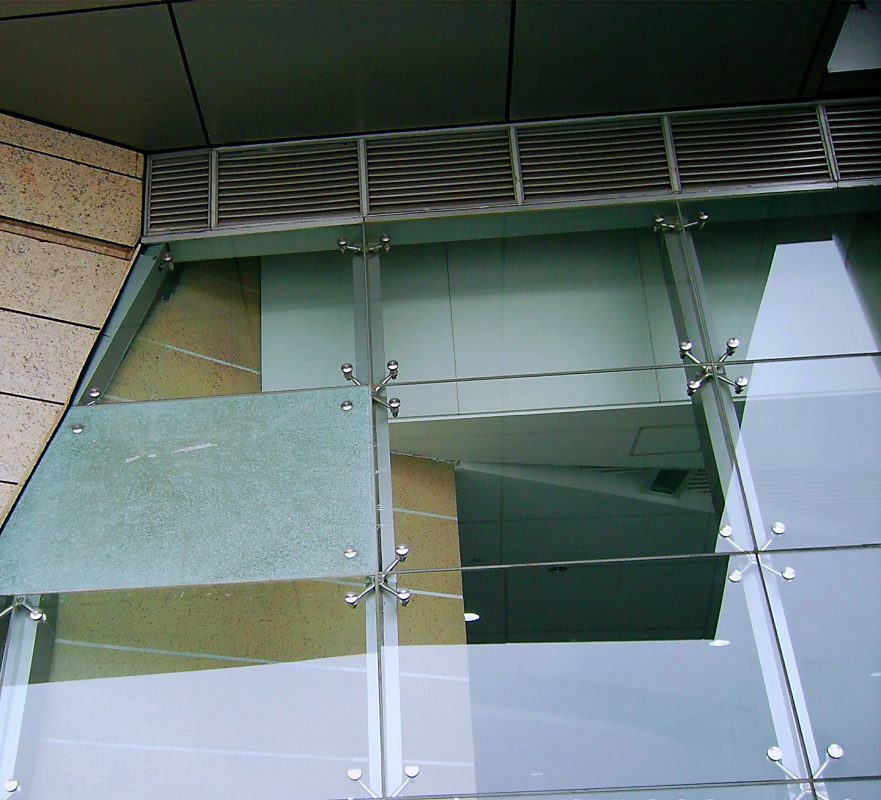
The routel bolt vs standard fixing decision decides whether a point-supported glass facade can be aligned on site or drilled to an exact, unforgiving template. Routel bolts — also called articulated, rosette or point-fixing bolts — are engineered for glass; standard bolts, screws and anchors are general-purpose fasteners for metal-to-metal and substrate joints. This guide […]
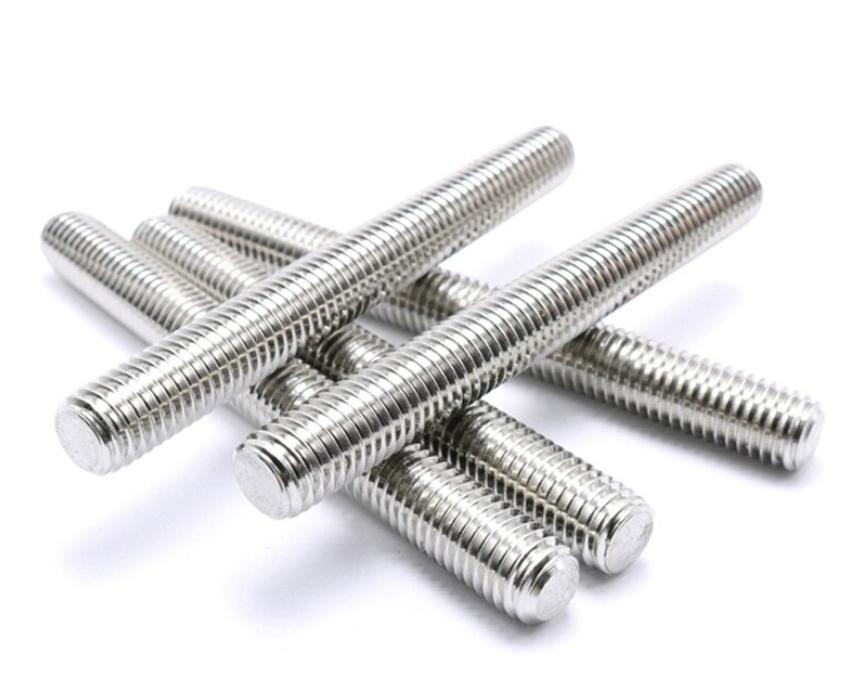
The threaded rod vs stud question comes up constantly on a curtain wall fixing schedule. Both look like threaded steel and take hex nuts, yet they serve different jobs: one hangs and tensions, the other anchors and clamps. Mixing them up leads to wrong lengths, mismatched nuts, and a fixing loaded as it was never […]

Understanding point supported facade cost means comparing how a spider (point-fixed) glazing system and a unitised curtain wall reach a transparent glass look through fundamentally different spending patterns. Neither system is universally cheaper: the answer depends on glass specification, hardware quantity, site versus factory work, and sourcing route. This guide lays out a cost comparison […]
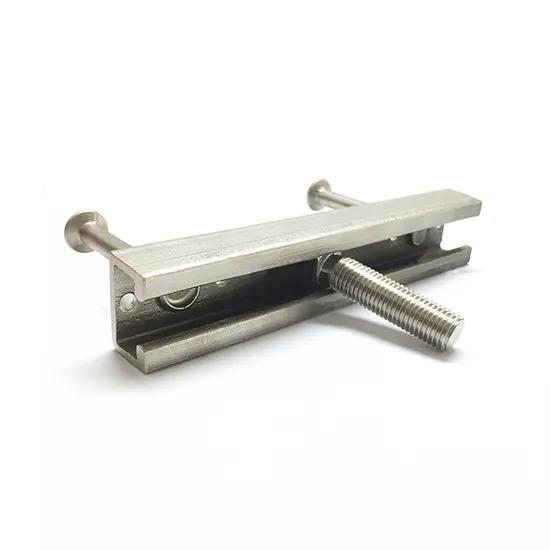
A cast in anchor channel curtain wall detail embeds a slotted steel rail into concrete or precast before the pour, so brackets, mullion supports and spider fittings bolt on later without drilling hardened concrete. Choosing the right cast-in anchor channel is a coordination exercise: section, leg pattern, finish and T-bolt system must match the wind […]
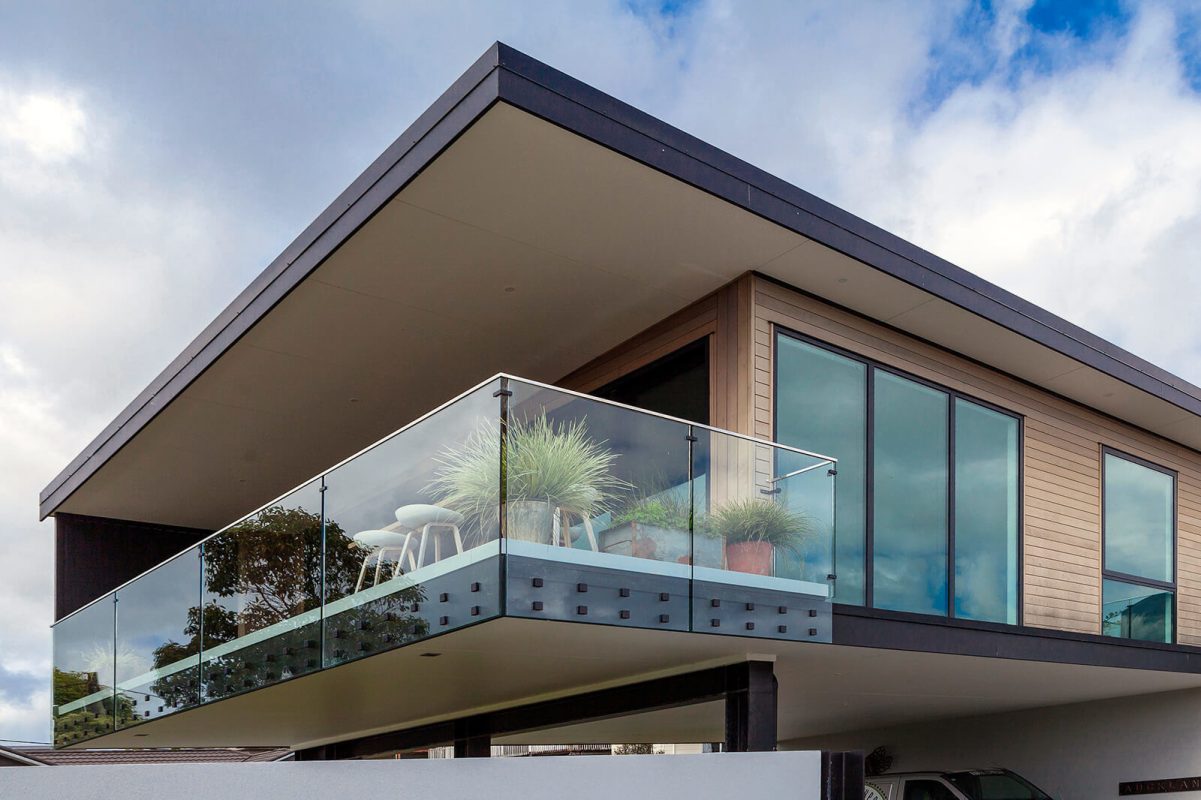
Choosing glass vs metal railing comes down to transparency, structural load path, maintenance and budget — not fashion. Glass balustrades and metal railings both guard balconies, terraces, stairs and pool surrounds, but they distribute load, read visually and age differently. This guide helps buyers choose between them. In short, glass maximizes views and openness but […]
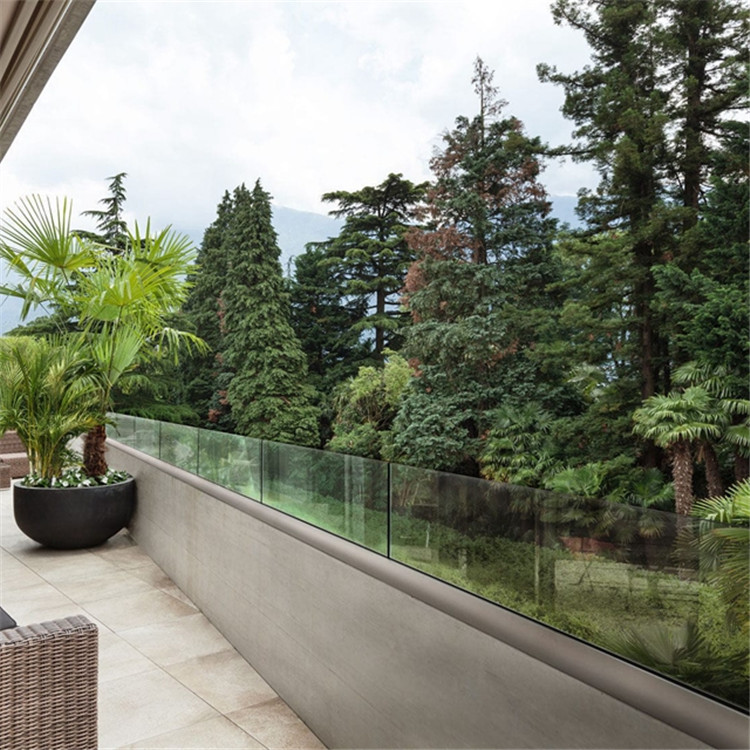
Specifying frameless glass railing systems for a terrace, staircase or interior balustrade begins with the mounting method: how the glass is held, how load reaches the structure, how visible the hardware is, and the cost. Two families dominate: U-channel (base shoe) systems, where glass slides into a continuous fixed channel, and clamp systems, where glass […]
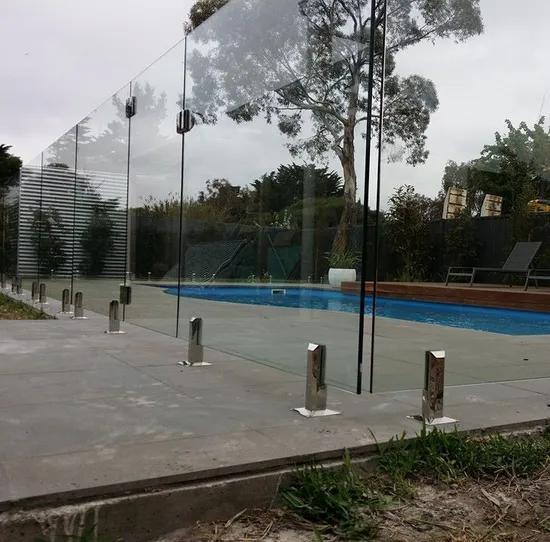
Glass balustrade measuring is the survey step that decides whether your panels arrive ready to fit or come back for rework. A careful on-site record — run lengths, post positions, panel widths, finished height and movement gaps — gives the supplier exact data to cut glass and hardware to. Guesswork on site means wasted panels […]
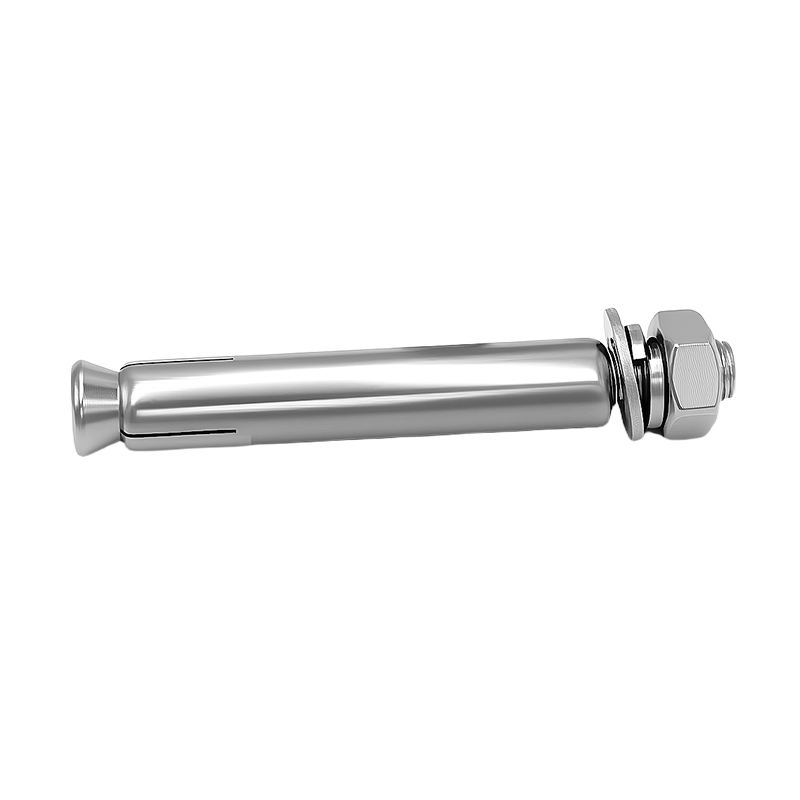
The expansion vs chemical anchor decision comes up on almost every concrete fixing job, from curtain-wall base plates to handrail posts and bracket feet. Both fasten a stud into drilled concrete, but they hold in different ways, and the wrong choice can mean a fixing that slips under load, fails in cracked concrete, or cannot […]