


 Français
 Русский
 Español
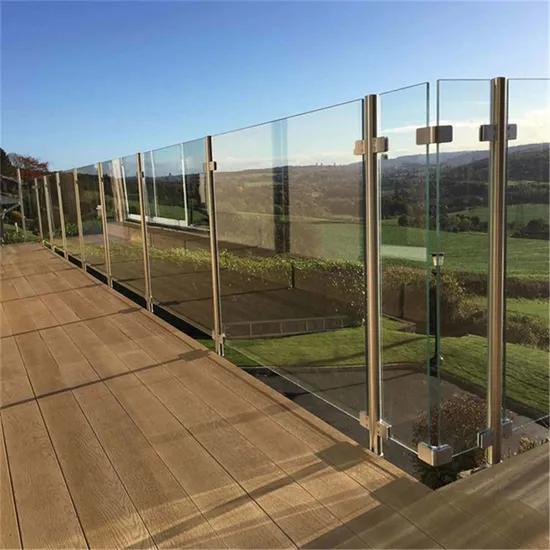
Glass railing systems typically cost $150 to $600 per linear foot installed, with most commercial and residential projects landing between $4,000 and $16,000 total. That wide range exists because the final price depends on the system type, glass specification, hardware material and finish, site conditions, and labor market in your region.
Cost by System Type
For contractors and procurement teams sourcing hardware separately, the good news is that hardware typically accounts for 15–25% of total installed cost — and it is the component where smart sourcing delivers the biggest savings without compromising structural performance.
The single biggest price lever is which system style you specify. Each type uses a different hardware strategy, and that directly drives both material and labor cost.
| System Type | Cost per Linear Foot (Installed) | Hardware Approach | Best For |
|---|---|---|---|
| Framed / Post-Supported | $150 – $350 | Steel or aluminum posts with glass clamps; glass carries less load | Budget decks, stairs, high-traffic commercial |
| Semi-Frameless | $250 – $450 | Mini-posts or base channel with top rail; cleaner sightlines | Balconies, mid-range commercial |
| Fully Frameless (Base Channel) | $400 – $600+ | Aluminum or stainless base channel; 12–15mm tempered glass bears structural load | Luxury residential, pool fences, high-end retail |
| Fully Frameless (Spigot / Standoff) | $350 – $550 | Stainless steel spigots or standoff clamps mounted to floor or side | Decks, balconies where base channel not feasible |
Post-supported systems are generally 30–50% less expensive than fully frameless ones because the posts carry structural loads, allowing thinner glass (3/8″ / 10mm instead of 1/2″ / 12mm+) and simpler installation. Frameless systems shift the load to the glass itself, requiring thicker panels and precision-fit base channels or spigots.
Cost Breakdown: Where the Money Goes
Understanding the cost breakdown helps contractors identify where sourcing decisions matter most.
| Component | Share of Total Cost | Typical Range | Notes |
|---|---|---|---|
| Glass Panels | 30–40% | $25 – $80 / sq ft | Tempered is baseline; laminated adds 20–40%; low-iron adds 10–15% |
| Hardware (Posts, Clamps, Channel, Spigots) | 15–25% | $30 – $120 / linear ft | Stainless steel costs 2–3× aluminum; finish (brushed vs mirror) adds cost |
| Installation Labor | 20–35% | $50 – $150 / linear ft | Straight ground-level runs at low end; stairs, curves, and high-access at high end |
| Permits & Engineering | 3–8% | $150 – $2,000 total | Varies by jurisdiction; commercial projects often need stamped drawings |
| Site Prep & Contingency | 5–15% | — | Old railing removal, substrate repair, unlevel floors; budget 10–20% |
Key insight for contractors: Hardware is the most import-friendly component. Glass is expensive to ship and usually sourced locally, but stainless steel posts, clamps, base channels, and spigots can be sourced internationally at significant savings — often 40–60% below local distributor pricing — when bought in bulk from a manufacturer like Trilonum.
Factors That Push Cost Up or Down
1. Glass Type and Thickness
Tempered glass is the code minimum for most residential applications. Laminated tempered glass costs more but stays intact if broken — critical for pool fences, high-rise balconies, and any application where falling glass is a hazard. Low-iron (extra-clear) glass eliminates the green tint of standard float glass and is popular for luxury projects but adds 10–15%.
2. Hardware Material: 304 vs 316 Stainless Steel
For outdoor installations near saltwater or pool chemicals, 316 stainless steel is the correct choice and costs roughly 20–30% more than 304. Indoor or low-corrosion environments can safely use 304. Aluminum hardware is the lowest-cost option but has lower load capacity and is not suitable for all frameless designs.
3. Railing Height and Code Requirements
Residential guards typically require 36″ (914mm) height under IRC, while commercial applications under IBC/OSHA often require 42″ (1067mm). Pool fences in many jurisdictions require 48″ (1200mm) minimum with non-climbable zones. Taller railings need taller posts, thicker glass, and more robust base anchoring — all of which add cost.
4. Layout Complexity
Straight runs are the cheapest. Stairs require angled cuts and custom hardware. Curved glass is dramatically more expensive (often 2–3× flat glass). Corners add corner posts or specialized connectors. Each return, end cap, and transition point adds hardware and labor.
5. Substrate and Access
Concrete decks accept direct base channel or spigot mounting. Wood decks require reinforcing blocking or steel substructure. Second-story balconies may need scaffolding or lifts. Existing structures that were not engineered for glass railing loads may require structural upgrades before installation.
How to Estimate Your Project Cost
Follow these five steps to build a realistic budget before requesting quotes:
- Measure linear footage. Walk the actual railing line including corners, returns, and stair transitions — not just straight-line distance.
- Choose system type. Framed for budget, semi-frameless for balance, frameless for maximum visibility.
- Select glass and hardware spec. Tempered vs laminated, 304 vs 316 stainless, brushed vs mirror finish.
- Multiply footage by per-foot rate. Use the ranges in the table above based on your system type.
- Add labor, permits, and contingency. Budget 10% for straightforward runs, 20% for stairs/curves/high-access.
Example: 20-Foot Commercial Deck Railing
| Item | Budget (Framed) | Mid-Range (Semi-Frameless) | Premium (Frameless) |
|---|---|---|---|
| Glass (20 ft × 3.5 ft avg) | $1,750 | $2,450 | $3,500 |
| Hardware | $900 | $1,400 | $2,000 |
| Labor | $1,200 | $1,800 | $2,500 |
| Permits & Engineering | $300 | $500 | $800 |
| Contingency (10–15%) | $415 | $615 | $880 |
| Total Estimate | $4,565 | $6,765 | $9,680 |
Contractors sourcing hardware directly from Trilonum can typically reduce the hardware line item by 30–50% compared to local distributor pricing, especially on orders over 50 linear feet.
Ways to Reduce Cost Without Sacrificing Safety
- Source hardware internationally. Stainless steel posts, clamps, and base channels from manufacturers like Trilonum cost significantly less than local distributors, with the same material grades and certifications.
- Use 304 stainless for indoor or low-corrosion applications. Reserve 316 for coastal, poolside, or industrial exposure.
- Choose semi-frameless over fully frameless. You get most of the visual benefit at 25–35% lower cost.
- Standardize panel sizes. Custom glass sizes cost more; designing around standard panel widths reduces glass waste and fabrication charges.
- Batch multiple projects. Combining hardware orders across jobs increases volume discount eligibility.
- Avoid curved glass unless essential. Curved tempered glass can cost 2–3× flat glass; consider faceted designs with multiple flat panels instead.
Long-Term Value: Is Glass Railing Worth the Cost?
Glass railings have higher upfront cost than wood, cable, or aluminum railings, but they deliver long-term value through:
- Minimal maintenance: No painting, staining, or rust treatment — just periodic glass cleaning.
- Durability: Tempered glass panels last decades; stainless steel hardware resists corrosion.
- Unobstructed views: A key selling point for view properties, pool areas, and retail storefronts.
- Property value: Real estate agents consistently cite glass railings as a premium feature that increases resale appeal.
- Safety: Tempered or laminated glass meets or exceeds building code requirements for guard loads.
Frequently Asked Questions
What is a fair price per linear foot for glass railing?
A fair installed price ranges from $150 to $600 per linear foot. Most mid-range semi-frameless systems fall between $250 and $450 per foot. Always compare quotes on the same per-linear-foot basis and confirm whether hardware, glass, and labor are all included.
Is frameless glass railing worth the extra cost?
Frameless systems cost 2–3× more than framed systems due to thicker glass and precision installation. They are worth it for luxury residential, pool fences, and high-end commercial projects where unobstructed views are a priority. For budget or high-traffic applications, post-supported systems deliver better value.
For commercial elevations rather than railings, our guide to point-supported facade cost breaks down where the budget sits in hardware, steelwork and installation.
Can I buy hardware separately to save money?
Yes. Many contractors source glass locally (due to high shipping costs and breakage risk) while purchasing stainless steel hardware — posts, clamps, base channels, spigots, and connectors — directly from international manufacturers. This can reduce hardware costs by 30–50% on volume orders. Browse Trilonum’s railing hardware catalog for available products and specifications.
How much does labor cost for glass railing installation?
Labor typically runs $50 to $150 per linear foot, representing 20–35% of total installed cost. Straight ground-level runs are at the low end; stairs, curves, and high-access installations push toward the high end. Frameless systems require more precision fitting and therefore more labor hours.
Does glass railing cost include installation?
The $150–$600 per linear foot figures cited throughout this guide include materials, hardware, and labor as a complete installed price. Some suppliers quote materials only — always confirm whether a quote is installed or materials-only before comparing.
Get a Hardware Quote for Your Project
If you are a contractor, architect, or procurement manager planning a glass railing project, contact Trilonum for a hardware-only quote. We manufacture stainless steel glass clamps, railing posts, base channels, spigots, and handrail connectors in 304 and 316 grades, with custom sizing available for volume orders. Our team can also help specify the right hardware for your system type and load requirements.
Hardware cost varies by the chosen base fixing, so our spigot vs standoff guide compares the two mounting types and their typical cost impact per panel.
For more on installation best practices, see our guide to types of glass railing clamps and how to choose glass railing posts.
If you are weighing material options against budget, our glass balustrade vs metal railing comparison covers the whole picture.
Contractors planning installations can use our measuring guide for glass balustrades to survey runs and set out posts accurately.
