


 Français
 Русский
 Español
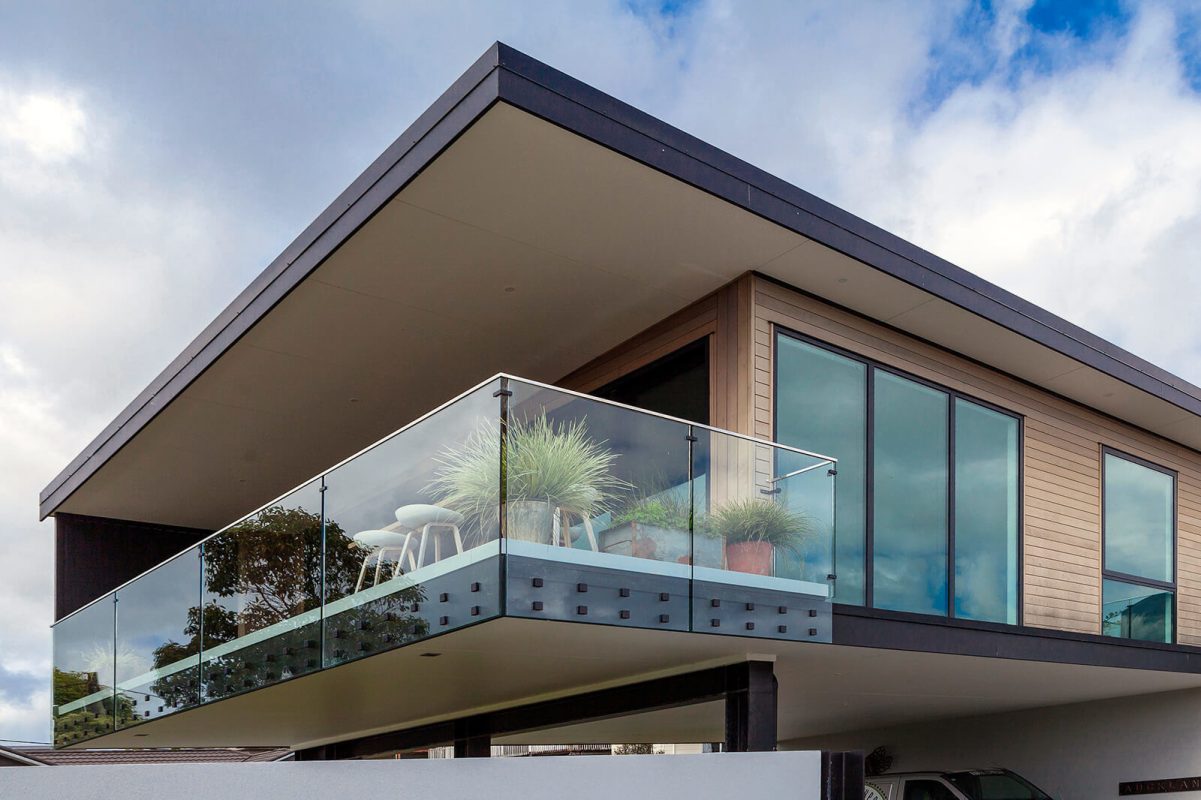
Choosing glass vs metal railing comes down to transparency, structural load path, maintenance and budget — not fashion. Glass balustrades and metal railings both guard balconies, terraces, stairs and pool surrounds, but they distribute load, read visually and age differently. This guide helps buyers choose between them.
In short, glass maximizes views and openness but depends on safety glass and precise fixings; metal offers a lighter, more forgiving, long-lasting structure, at the cost of some sightline obstruction. Before pricing either, confirm the code-required finished height — our guide to glass railing height requirements covers the common 900–1100 mm range. Components for both systems appear in our railing & balustrade hardware range.
How Glass Balustrades Work
A glass balustrade uses panels of tempered or toughened safety glass as the barrier face. Load travels from the panel into the fixings — spigots, standoffs, clamps or a base channel — and into the substrate; because glass carries load through the whole panel, the fixing pattern, thickness and span must be engineered together using the supplier’s load data. Frameless systems minimize visible hardware; post-and-clamp systems use stainless posts with glass between them. The panel deflects under load, then returns to position, and every glass-to-metal contact needs a gasket or setting pad so the edge never bears on hard metal; torque follows the supplier’s specification, not feel. Panel thickness depends on span and load, confirmed with the supplier and engineer.
How Metal Railings Work
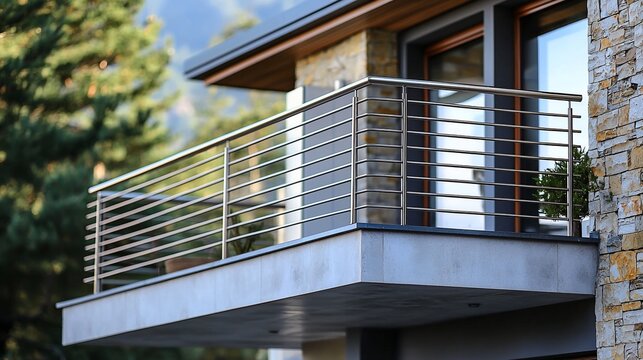
A metal railing — usually stainless steel, aluminium or powder-coated carbon steel — builds the barrier from posts, a top handrail, and horizontal rods, cables or vertical balusters as infill. Load passes through the infill into the posts, then into anchors in concrete, steel or timber. Rod or cable systems spread pressure across slender members; solid pickets rely on continuous vertical members. The structure is modular: posts can be plumbed on site, and members replaced without removing the run.
Glass Balustrade vs Metal Railing: Side-by-Side Comparison
| Criteria | Glass Balustrade | Metal Railing (SS / Aluminium / Steel) |
|---|---|---|
| Visual openness | Nearly invisible; preserves views and light | Bars, rods or cables partially obstruct sightlines; pattern stays visible |
| Structural load path | Panel carries load to engineered point or base fixings | Infills transfer load to posts, then to anchors |
| Safety / fall protection | Safety glass retains fall if broken; engineered span and fixing pattern required | Durable members; opening size and infill gaps must still meet code |
| Maintenance | Needs regular cleaning to stay clear; spots and smears show easily | Stainless resists corrosion but shows spots; aluminium low care; painted steel can scratch and rust |
| Material grade notes | Tempered or toughened-laminated safety glass; confirm thickness with supplier | 304 stainless inland, 316 for coastal and pool sites; aluminium naturally resistant; steel needs coating |
| Cost profile | Higher glass, fabrication and installation cost; larger upfront outlay | Often lower material and installation cost; varies by grade and finish |
| Best applications | Balconies, terraces, pool edges, feature facades, luxury interiors | Stairs, high-traffic public areas, coastal sites, utility and budget zones |
| Code adaptation | Accepted where local code permits transparent infill; confirm glass type | Traditional guard; accepted nearly everywhere |
How to Choose: Decision Criteria
Views and design intent. If the project frames a landscape, skyline or sea view, glass removes visual clutter. A traditional, industrial or budget-conscious brief suits metal bars, rods or cables that express the structure itself.
Environment and exposure. Coastal salt air, pool chemistry and aggressive settings favour 316-grade stainless or aluminium rather than mild steel. Glass tolerates these well provided the fixings match; corrosion happens at the hardware, not the panel.
Safety and high-traffic use. Public buildings, schools and busy stairs see repeated impact. Metal members are easier to inspect and replace after damage; laminated glass helps retain the barrier if a panel breaks, but still needs replacement.
Budget and lifecycle. Glass carries a higher upfront price from glass volume, cutting, polishing and precise fixing; metal usually costs less to specify and install, though premium 316 stainless or custom finishes narrow the gap. Price both with supplier data for the actual run.
Working out the budget side? Our 2026 glass railing system cost breakdown separates material, hardware and installation drivers, while our spigot vs standoff comparison explains the two common glass fixing methods.
Code and Installation Considerations
Finished height commonly ranges from about 900 mm to 1100 mm depending on application and local code, with exterior, stair and high-traffic areas usually demanding the upper values — verify against the jurisdiction, since thresholds differ by region. Both systems must be sized to the barrier and wind load case, with anchors matched to the actual substrate: expansion or chemical anchors in concrete differ from screws into timber. For glass, check thickness, edge distances and the fixing pattern against supplier data, and leave thermal movement gaps on long runs; for metal, confirm post spacing and opening size against code and spec. Published load and torque values are the reference, not estimates.
Glass Balustrade vs Metal Railing FAQ
Which is safer: glass or metal railing? Both are safe when engineered and installed to code: safety glass retains a fall if it breaks, while metal members are easy to inspect and replace after impact. Safety depends on height, opening limits and load sizing, not the material alone.
Is glass railing more expensive than metal? Usually yes upfront: glass, fabrication and precise fixing add expense, while standard stainless or powder-coated steel often costs less to supply and install. Price both against your run with supplier figures.
Which lasts longer outdoors? Properly specified 316 stainless or aluminium has a long outdoor life with minimal care. Glass itself does not degrade, but its fixings must match the environment; rust at the hardware is the typical failure point.
Can glass and metal be combined? Yes — post-and-clamp systems use stainless posts, and many projects pair glass infill with a stainless handrail. A hybrid keeps the view in key areas while using metal where traffic or budget demands it.
Does glass block the view? No — that is its main advantage. A glass panel reads as a transparent sheet, whereas bars, rods and cables remain visible through the barrier.
Comparing both routes for a balcony, terrace or stair run? Send your drawings and we will assemble a hardware schedule for either system — get a quotation from Trilonum.
